
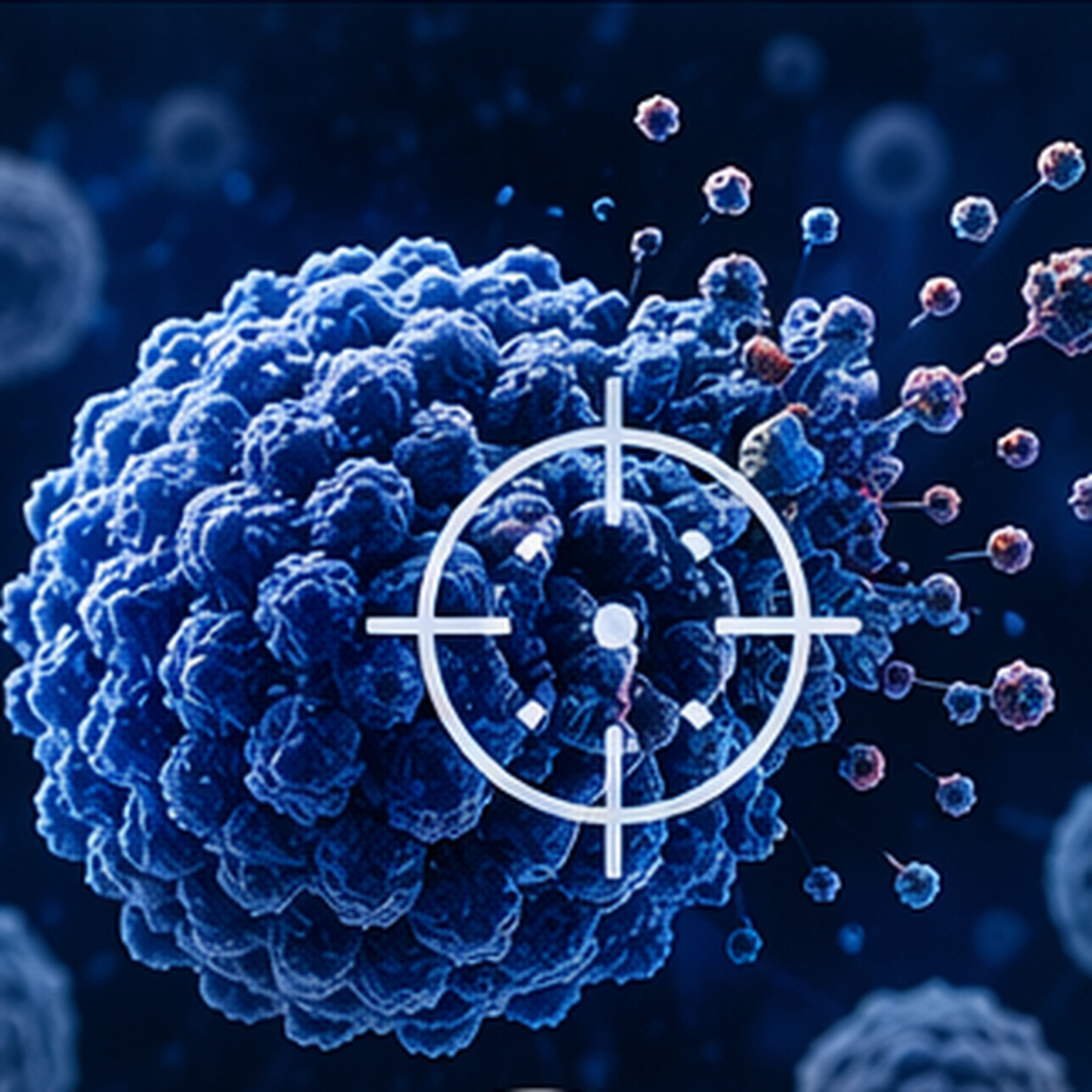
EnGeneIC is pioneering the EDV™ as a new class of cancer therapy combining cancer cell killing with immune cell activation
01Empty EDVs
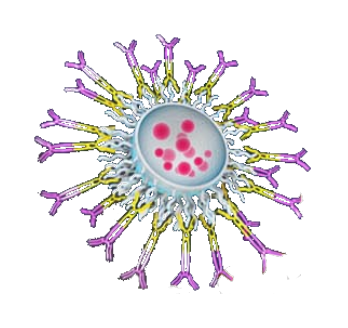
Robust uniform empty nanocells, 400 nm in diameter, harvested from avirulent/non-pathogenic bacteria.

02Uptake of payload
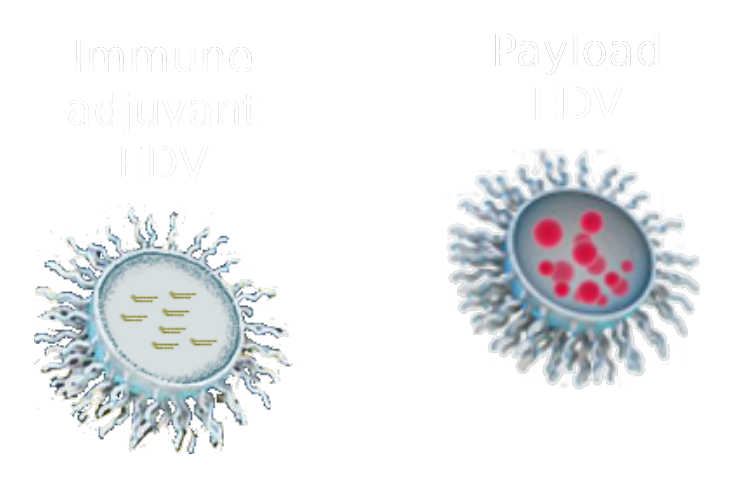
Load potent chemotherapy, functional nucleic acids, or immune adjuvant in separate EDVs.
03Attach antibody
EDVs containing a potent chemotherapy payload have antibody attached to the nanocell wall. One arm of the antibody attaches to the nanocell, the other binds to the tumour via EGFR recognition (or any other chosen antigen).
04Administration
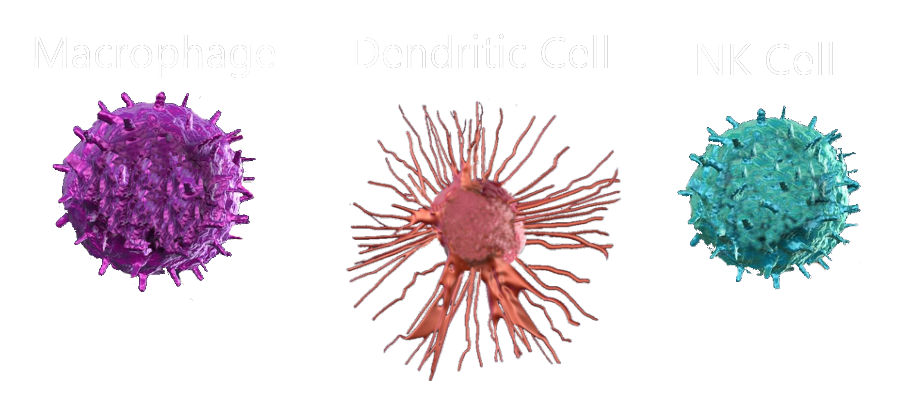
EDVs™ are IV infused over 5-10 mins. Targeted EDV™ with chemotherapy payload escape into the tumour microenvironment via leaky blood vessels caused by the tumour, to target cancer cells. Monitoring immune cells such as macrophages, dendritic cells and NK Cells take up EDVs and recognise bacterial origin of EDVs™. This stimulates fresh immune cells to be activated.
05Targeted tumour killing
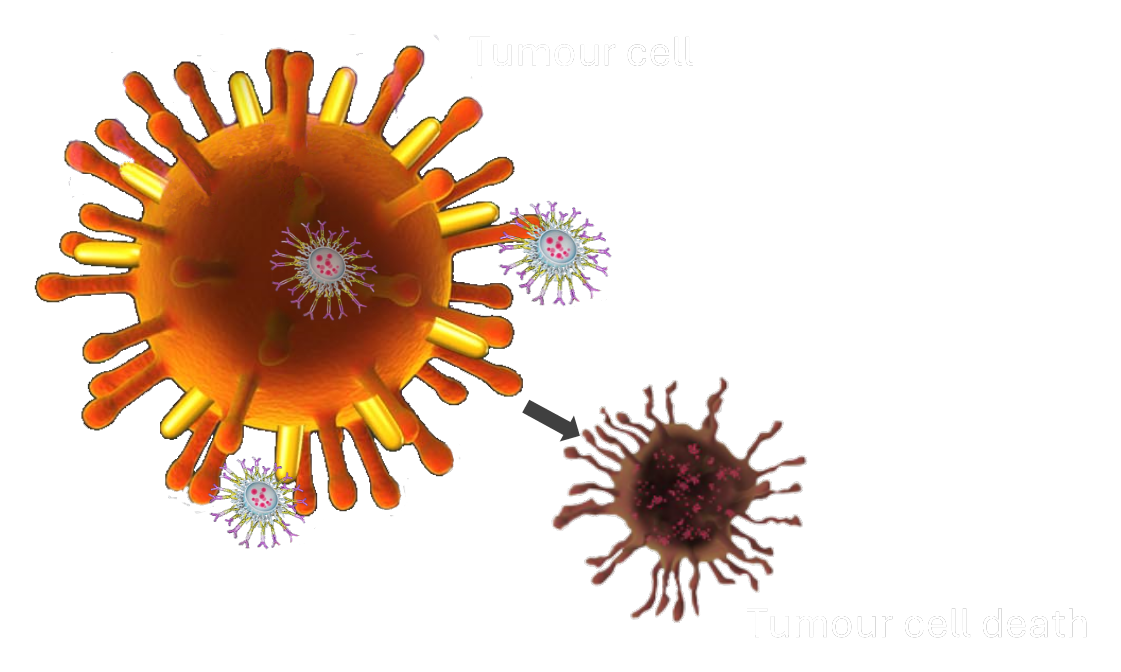
EDVs containing potent chemotherapy payload are designed to bind to tumour cells via antibody (EGFR-directed), triggering engulfment and cell death.
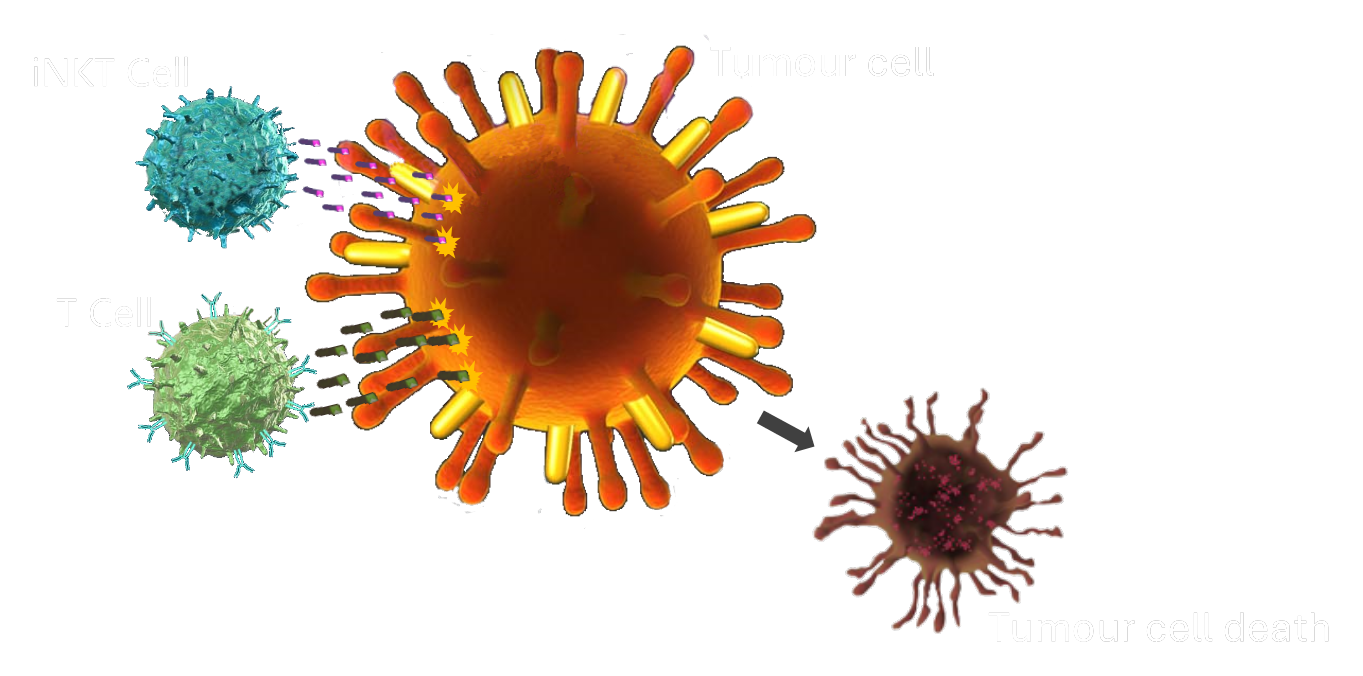
06Activate anti-tumour immune response
EDVs activate an adaptive immune response by T Cells and iNKT Cells.