EDV™ TECHNOLOGY

A universal platform designed for targeted cancer delivery and reactivation of the patient’s anti‑tumour immune response

EnGeneIC’s platform technology, the EnGeneIC Dream Vector (EDV™), uses antibody-targeted nanocells to carry therapeutic agents directly to tumour cells. This focuses treatment at the site of disease, while limiting exposure to healthy tissues. Additionally, being bacterially-derived it stimulates a broad anti-tumour immune response.

"Biology is interesting; it works like a lock & key system. One molecule interacts with another molecule. Which triggers something else. In terms of cancer treatment, there must be a key that will fit into the lock which is cancer cells, specifically into that lock."

- Dr Himanshu Brahmbhatt, Co-founder, joint CEO & Director, EnGeneIC

One Platform, Any Cancer

The EDV™ platform is designed to target many different types of tumours by changing the antibody attached to each nanocell. EnGeneIC has developed targeting antibodies for several cancers, including:
    • Anti-EGFR for a range of solid tumors including pancreatic, glioblastoma and mesothelioma
    • Anti-B7H3 for brain cancers including children 
    • Anti-ganglioside G2 for neuro-endocrine tumours, diffuse midline glioma and osteosarcomas

Dual Immune Activation

EDVs™ are designed to stimulate the body’s natural, first-line immune defences (an innate immune response) because it is derived from bacteria.

When loaded with therapeutic agents and guided to tumours, EDVs™ also help the immune system recognise and respond to cancer cells. EDVs™ carrying immune-stimulating additives are being studied to further support this response.

Versatile Platform Addressing Cancer-Drug Resistance

The EDV™ platform can carry a range of anti-cancer agents, including drugs too potent to be administered systemically, genetic material such as plasmid DNA, siRNA, or miRNA, and immune-stimulating molecules. This flexibility has guided EnGeneIC’s development approach to treat tumours that have developed resistance to standard therapies.

In current trials, EDVs™ are targeted to a receptor called EGFR, which is present at high levels on many types of solid tumour.

Safety Profile

Clinical experience with EDV™ therapies to date has focused on late-stage solid tumours, where reported adverse events have been mostly mild to moderate and temporary, and patients have received repeat doses over extended treatment courses.

EDVs™ are small enough to pass through the leaky blood vessels found around tumours, but big enough to be largely excluded from healthy tissue. They cannot replicate and don’t contain a chromosome.

Scalable & Stable

Payload loading takes place at EnGeneIC’s own manufacturing facility, so a new EDV™ candidate can be produced without re-engineering the process.

EDVs™ can also be lyophilised – dehydrated into a powder – and have retained activity in stability testing for at least eight years, reducing reliance on cold-chain storage.

High Payload Capacity

Each EDV™ can carry approximately 1 million small-molecule drug molecules, 10,000 siRNA or miRNA molecules, or 100 copies of plasmid DNA — enough to deliver a therapeutic dose in relatively few particles, concentrating the payload at the tumour rather than throughout the body.
Loading & targeting EDVs
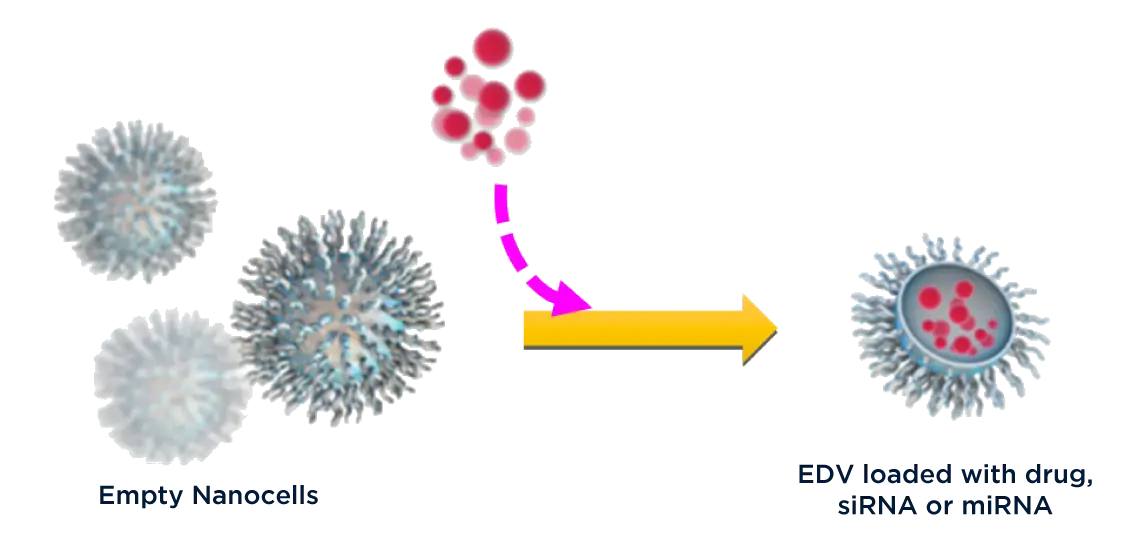
Drug & genetic material packaging in EDV™ nanocells
Each 400nm EDV™ can carry up to 1 million anticancer drug molecules, including highly potent agents that are too toxic to be given systemically. EDVs can also carry genetic materials, such as siRNA or miRNA, which may help regulate gene activity. These have been investigated in pre-clinical and early clinical settings to understand their potential effects.
Precision tumour targeting
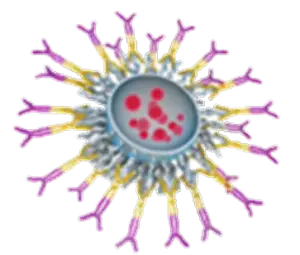
EDVs™ are coated with a bispecific antibody designed to bind to the nanocell on one end and recognise cancer cells on the other. The targeting antibody can be adapted depending on the type of tumour, helping guide EDVs™ to specific cancer cells.
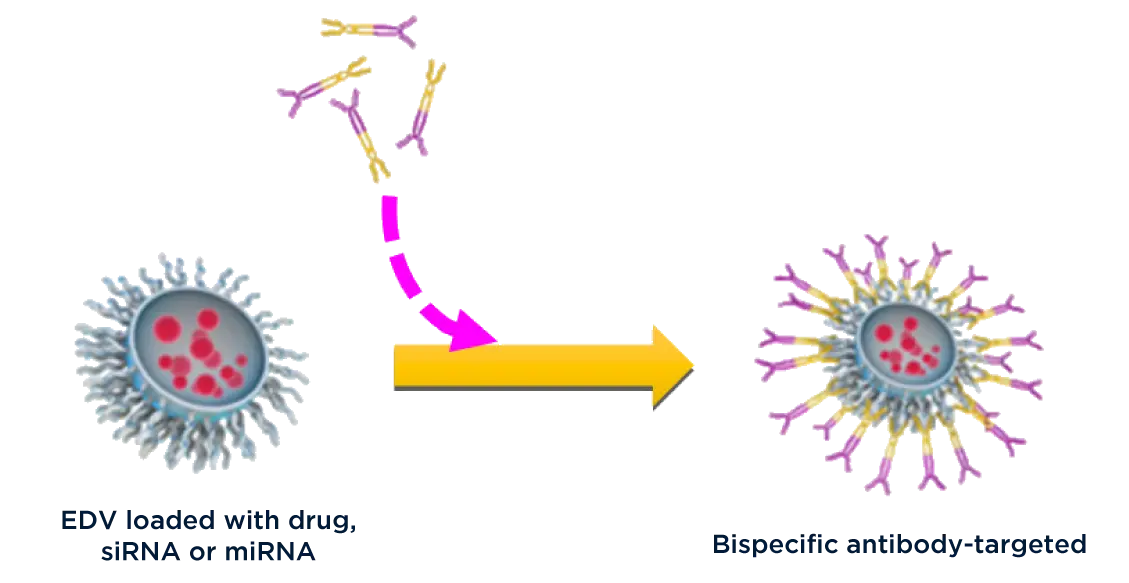
Precision dual targeting

EDV™ nanocells are designed to deliver therapeutic agents directly to tumours using a two-step targeting approach. At 400 nm ± 20 nm, they are small enough to pass through leaky tumour blood vessels, but generally too large to enter healthy tissue, helping to focus delivery on cancer cells (known as passive targeting).

In addition, a special bispecific antibody on each EDV™ guides it to specific cancer cell receptors (coined active targeting). Once inside the tumour cell, the EDV™ is broken down, releasing its payload directly within the cell. By concentrating treatment primarily in cancer cells, EDVs™ are being investigated for approaches that may improve precision and limit exposure to healthy tissue.
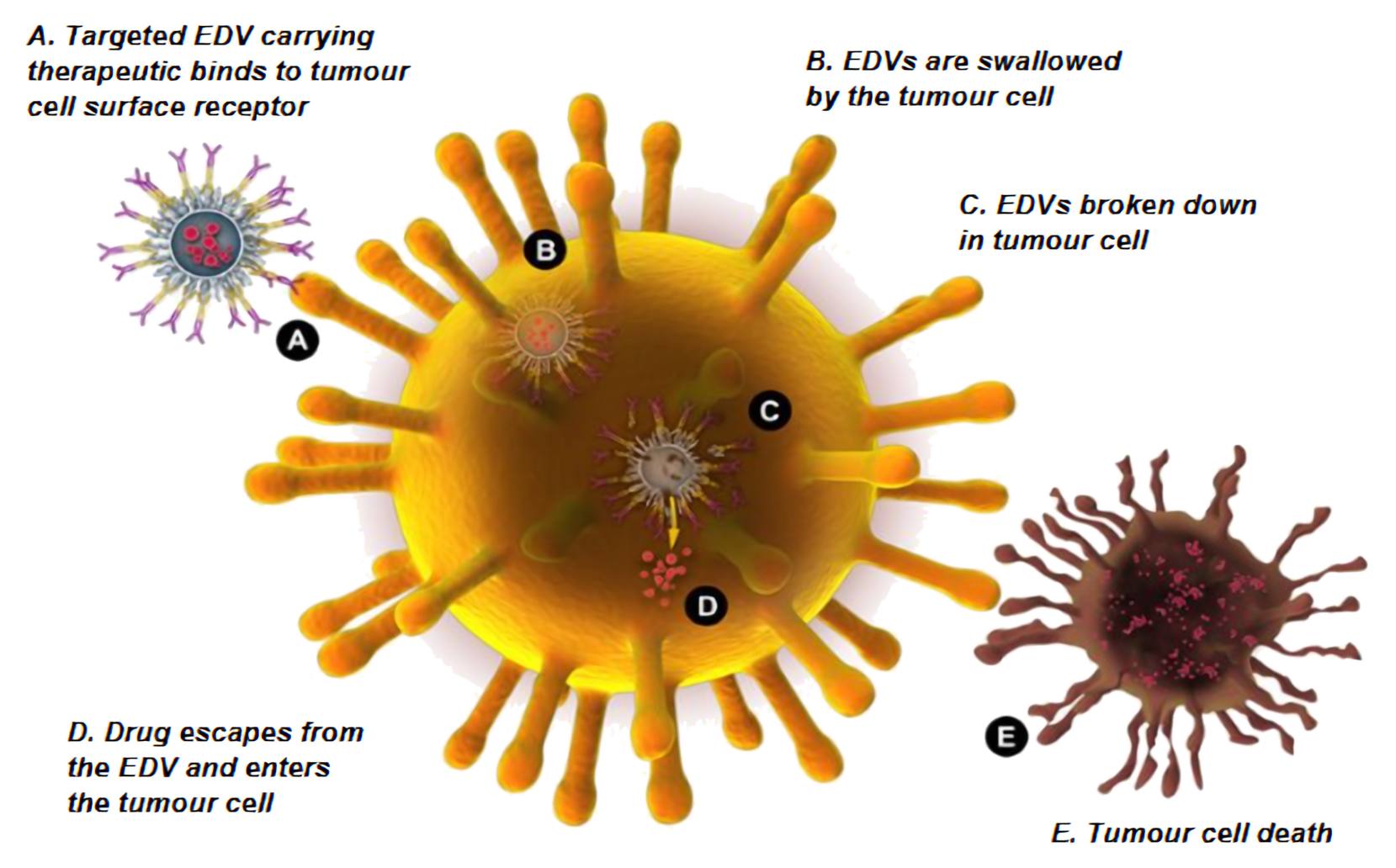
 EDV active targeting cycle: targeted binding, uptake, breakdown, drug release and tumour cell death

EDV™ immune stimulation

EDV nanocells are being investigated to function as an immunotherapeutic by delivering a cytotoxin in conjunction with activation of the immune system.

Early research has shown these nanocells polarise M1 macrophages and activate NK cells concurrently producing a Th1 cytokine response resulting in potent antitumour function.

Dendritic cell maturation and antigen presentation follows, which generates tumour-specific CD8+ T cells, conferring prolonged tumour remission. The combination of cytotoxin delivery and activation of innate and adaptive antitumour immune responses results in a potent cyto-immunotherapeutic with potential in clinical oncology.

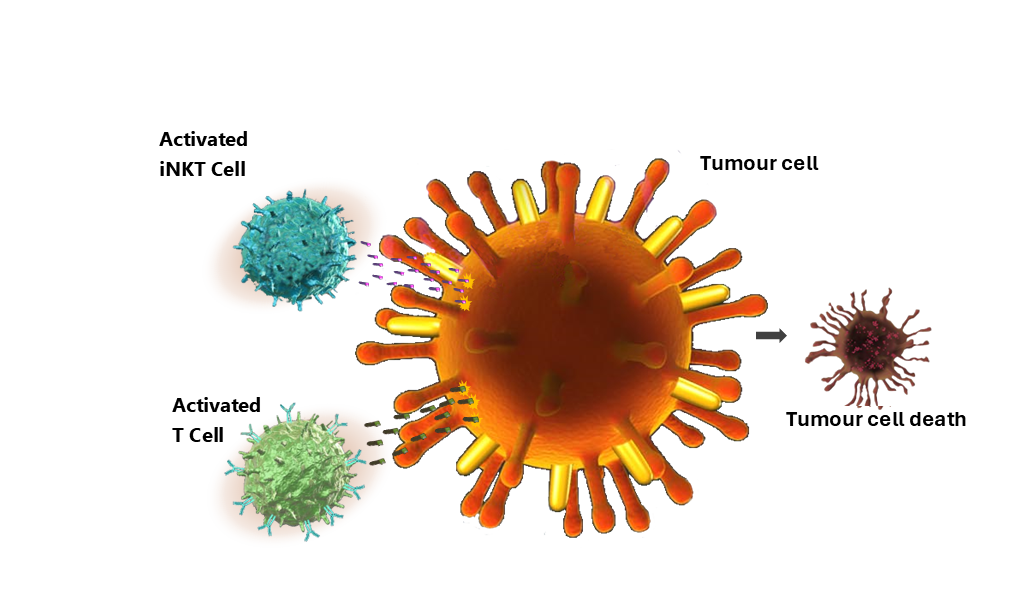
EDV nanocells activating iNKT and T cells leading to tumour cell death
Activating the immune system with alpha-galactosyl ceramide

Non-targeted EDVs™ containing an investigational immune stimulant, alpha-galactosyl ceramide (α-GC), are delivered directly to the patient’s immune cells. This has been studied to activate invariant natural killer T (iNKT) cells, which are specialised immune cells that uniquely bridge the innate and adaptive immune systems, which can coordinated an immune response across both arms.